The talking's never over.
Football Clichés
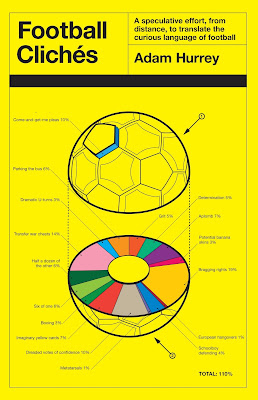
A crusade to analyse, in excruciating depth, the art of the football cliché. The saturation of football coverage has ensured the emergence of a code, to which everyone in football unwittingly adhere. I seek to dissect this code.
All clichés are italicised and highlighted in gold. When reading in your head or out loud, please consider using an emphatic tone for these words and phrases. They deserve it.
Thursday
Monday
Perpetual Motion: The Language of Movement in Football
Tune into the soon-to-be-defunct ESPN Classic on any quiet evening and you'll notice very quickly just how slow football used to be. Any hint of panic would instantly be remedied with a prod of the ball back into the grateful hands of a goalkeeper, who would punt the ball downfield at his leisure towards a lumbering no.9 (a proper old fashioned one, of course, rather than the modern, false variety).
Then, in 1992, football's Big Bang occurred. A dull, cynical World Cup two years earlier had the game's lawmakers heading for the drawing board. It would be fascinating to discover the ideas that never made it onto the pitch, but the result of this enforced introspection was the single most important development in modern football history - the back-pass rule. Outlawing the handling of a deliberate pass to the goalkeeper made with the boot (amended in 1997 to also include throw-ins), the new directive transformed the dynamic of matches overnight, and followed the claim by FIFA's then General Secretary, Sepp Blatter, that "spectators do not go to football matches simply to see the goalkeeper standing still with the ball in his hands".
Over two decades later, the game is - with some notable Latin-country exceptions - overrun by players built like super middleweight boxers, possessing the pace of 100-metre Olympians and breathing with the respiratory capacity of a varsity rowing crew.
For all the appreciation of skill and metronomic possession-hoarding, football is still a sucker for pace in any form - searing, lightning, blistering and explosive pace (often "to burn"); bags of pace or pace in abundance; and the curious concepts of real or genuine pace, suggesting that some players might be carrying counterfeit (or perhaps deceptive) pace. This perpetual motion has forced the football media to consult their thesauruses to find more nuanced ways of describing how a player propelled himself from A to B before he troubled Row Z.
The wide areas of the pitch are the logical place to start, where jet-heeled wingers aim to give opposing full-backs as torrid a time as possible. They may find, however, that their adversary is no slouch and he himself may need no invitation to bomb on. The historically undersung full-back has been liberated by the era of gung ho-ism that the back-pass rule ushered in - they are now free to buccaneer, maraud or swashbuckle to their lungs' content, provided they are just as good going the other way. Insipid games, conspicuous by their lack of dynamism, require pace to be injected into them, something that has so far escaped the suspicious eye of sport's doping authorities.
In amongst the power and bustle, diminutive players must jink and slalom their way to success, although the mazy run remains available to players of any dimension. Graceful playmakers are said to glide across the turf, while defensive midfield dogsbodies merely scuttle, allowing their more attack-minded colleagues to apply for the coveted licence to roam. Space exists only to be burst into, front posts are always darted towards, while the back stick is the best place to indulge in a spot of ghosting in.
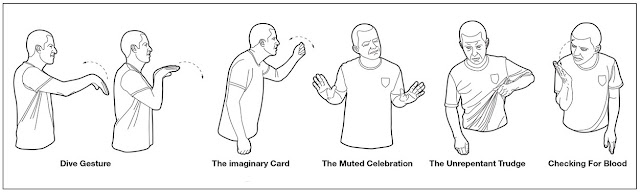
It's not all high-velocity stuff, however. Trudging (often unrepentantly so) is the frequent exit strategy of choice for red-carded players, while nosebleed-defying centre-halves tend to amble forward for set-pieces. An injured player's movement is always closely monitored by TV co-commentators, who keep us updated on his freedom movement on a scale ranging from "gingerly" to "moving a bit more freely now".
We have a lot to thank the back-pass rule for in creating a more dynamic sport, but spare a thought for the poor goalkeepers who have been scampering, backpedalling and on-rushing their way out of their comfort zones - and often into no man's land - ever since 1992.
Then, in 1992, football's Big Bang occurred. A dull, cynical World Cup two years earlier had the game's lawmakers heading for the drawing board. It would be fascinating to discover the ideas that never made it onto the pitch, but the result of this enforced introspection was the single most important development in modern football history - the back-pass rule. Outlawing the handling of a deliberate pass to the goalkeeper made with the boot (amended in 1997 to also include throw-ins), the new directive transformed the dynamic of matches overnight, and followed the claim by FIFA's then General Secretary, Sepp Blatter, that "spectators do not go to football matches simply to see the goalkeeper standing still with the ball in his hands".
![]() |
| Ronaldo - no slouch. Although quite possibly now a slouch. |
For all the appreciation of skill and metronomic possession-hoarding, football is still a sucker for pace in any form - searing, lightning, blistering and explosive pace (often "to burn"); bags of pace or pace in abundance; and the curious concepts of real or genuine pace, suggesting that some players might be carrying counterfeit (or perhaps deceptive) pace. This perpetual motion has forced the football media to consult their thesauruses to find more nuanced ways of describing how a player propelled himself from A to B before he troubled Row Z.
The wide areas of the pitch are the logical place to start, where jet-heeled wingers aim to give opposing full-backs as torrid a time as possible. They may find, however, that their adversary is no slouch and he himself may need no invitation to bomb on. The historically undersung full-back has been liberated by the era of gung ho-ism that the back-pass rule ushered in - they are now free to buccaneer, maraud or swashbuckle to their lungs' content, provided they are just as good going the other way. Insipid games, conspicuous by their lack of dynamism, require pace to be injected into them, something that has so far escaped the suspicious eye of sport's doping authorities.
![]() |
| A provisional licence to roam. |
It's not all high-velocity stuff, however. Trudging (often unrepentantly so) is the frequent exit strategy of choice for red-carded players, while nosebleed-defying centre-halves tend to amble forward for set-pieces. An injured player's movement is always closely monitored by TV co-commentators, who keep us updated on his freedom movement on a scale ranging from "gingerly" to "moving a bit more freely now".
We have a lot to thank the back-pass rule for in creating a more dynamic sport, but spare a thought for the poor goalkeepers who have been scampering, backpedalling and on-rushing their way out of their comfort zones - and often into no man's land - ever since 1992.
Thursday
Pseudoscience: All Filler, No Killer
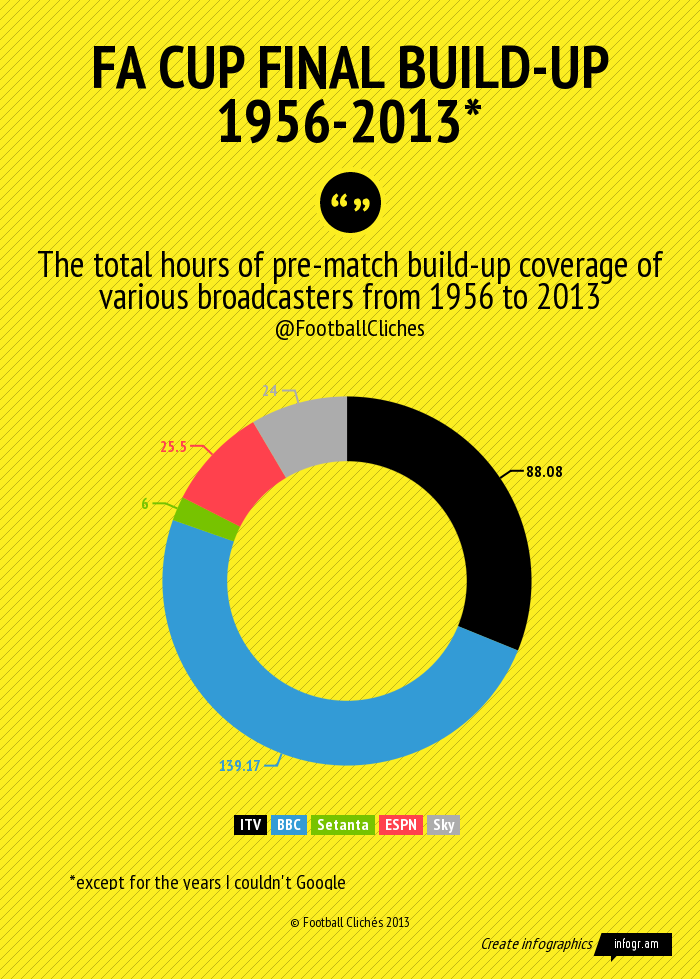
Visualised: 57 years of FA Cup Final pre-match build-up. That's two-hundred and eighty-two hours and forty-five minutes of talking about how magnificent Wembley's hallowed turf is, foreign players claiming to have watched finals while crowded round a small TV in their village, and painfully shy 5-year-old being asked for their score prediction.
Friday
Obscure Football Fetishes
You and I watch a hell of a lot of top-level football these days.
The Premier League's vain attempt to clamp down on internet streams of its 3pm Saturday kick-offs was destined for failure, and even the illicit thrill of that forbidden fruit has started to wear off. Now, any supporter of a top-flight club, who has the patience to click on the hundred or so minuscule Xs to get the adverts out of the way (isn't it amazing just how many above-average looking single women live in my area and would like to chat right at that very moment?), can enjoy each and..........[buffering - please wait]....every game in the comfort of their own mid-afternoon filth. Even Tony Gale's co-commentary-by-numbers isn't enough to switch off the laptop and watch normal telly.
If you're lucky enough to be too busy for that, there's always 101 Great Goals on hand to provide the day's goals (but, oddly, often only the replays of them) courtesy of Russian TV coverage. By 10.25pm, you're laughing in the face of the newsreader who warns you that the scores are about to be reported, and contemplating not bothering with Match of the Day because your team were held to a pixellated 1-1 draw at home to West Brom and you've seen that 35-yard goal-of-the-season contender in the Southampton game on the ESPN Goals mobile app.
What I'm trying to say here is that we're watching too much football. When was the last time you were genuinely awe-struck in a televised game? Ibrahimovic's long-range jujitsu goal against England, perhaps. Players are arguably more technically gifted than ever before -and certainly stronger and faster - but the crucial mystique factor has gone. The 1990s drip-feed of foreign talent - only catching a glimpse of Serie A's finest by either watching Gazzetta Football Italia on Saturday mornings or by playing Championship Manager Italia morning, noon and night - is unthinkable now, for there's a clasico somewhere on the planet every other night.
To find unique stimulation through football, one is forced to go the fringes*. In amongst the Ronaldo-style free-kicks and the false nines, small glimpses and moments exist that remind you why you really love football more than pretty much anything else. Most of them are inconsequential, some are noticed by only a fortunate few, but all retain a certain charm that a thousand Lionel Messi hat-tricks could only dream of. They are football's fetishes.
1. The ball hitting the corner flag and staying in play - The ball remaining on the pitch is crucial here. Simply hitting the corner flag and going out for a corner or a throw-in will simply not do. That such a flimsy thing can provide such resistance is central to the appeal of this truly unexpected phenomenon.
2. A goalkeeper taking a throw-in - The reclusive uncle in the family of goalkeeping fish-out-of-water novelties, appearing only in the dying moments of games where the trailing side really want to get on with it. So rare that 1) some people are unsure if it's even permitted within the Laws of the Game, and 2) there doesn't seem to be any footage of it happening on YouTube. And WHY would there be a video on YouTube of a goalkeeper taking a throw-in?
Here, though, have a video of Bruce Springsteen-a-gram Dean Saunders aiming a quickly-taken foul throw at a visibly panicking goalkeeper who's gone walkabout:
3. A manager (ideally in a suit) controlling the ball when it goes out of play - A highly popular spectacle, if the #obscurefootballfetishes hivemind was anything to go by. Despite the obvious handicap of wearing a tailored suit and gripless, shiny shoes, these people are usually capable former players - their ability to trap a football shouldn't come as a surprise. Still, as the ball flies towards Row Z (or Row A, for these purposes), out pops a nonchalant brogue to kill the ball dead, to the delight of his fans. Even a mere flick-up will elicit a ripple of "waaaaeeeeyyyy!" from the stands.
Or, if you're Dragan Stojkovic, volleying into the net from fully 50 yards:
4. A shot hitting both posts - Tony Yeboah helped establish the fact that a goal scored off the underside of the bar pretty much beats anything else, but that is a base thrill for the masses. Now, a shot that hits both posts and goes in? HOH.
5. The ball hitting the camera/microphone/drinks bottle - There are two flavours available for this. The first is the drilled shot into the corner, finding a tucked-away piece of equipment and sending it flying, thereby adding a final flourish to an already emphatic finish. The other is the wayward shot, that arrows towards a pitchside camera in slow-motion replays in a manner not unlike Jaws in his box-office flop of a third, 3D outing.
You want it to happen, though. Some replayed shots look like they might hit the camera lens dead centre, but eventually veer off and disappoint. Next time...
6. Indirect free-kicks in the area - A two-stage release of excitement. Firstly, the relatively obscure offence itself, nowadays limited to a goalkeeper handling a backpass. The roar of appeal from the crowd is replaced by a murmur, as everyone realises what's now in store.
Then, the defensive wall retreats to the goal-line, which is especially good if the kick is less than ten yards from goal. The taker teases us all with his lay-off, while a host of potential and decoy deliverers of a howitzer lie in wait. The crowd expect a goal, even though there's no room to get it up and over the wall, but they know there's only one way in - brute force.
7. 100 minutes on the clock - When a player goes down injured, causing real concern and requiring lengthy treatment, few think of the far-reaching ramifications. But later, when the second most important statistic in the top left-hand corner of the screen ticks over to 98:00, the anticipation begins to simmer. Will there be space for it? Will there be a Millennium Bug-style catastrophe? Will those cup-tie extra-time practice drills finally pay off?
Just me, then.
8. Player losing a boot - Not so much exciting as curious. It looks like it shouldn't be allowed. It didn't affect Paul Gascoigne in his pomp, but India took it a little bit far by playing barefoot at the 1948 Olympics, forcing the FIFA killjoys to swiftly ban the practice.
9. A commentator starting an interesting-sounding back-story, before being interrupted - I did say these were obscure. Football commentators pride themselves in their extensive pre-match research. Beyond winning streaks and pass completion, they often unearth a gem of an anecdote or back-story about a player, which they are intent on regaling as the match unfolds. Usually introduced with the words "interesting story about [Player X] actually, he...", at which point we're all sitting comfortably. Unfortunately, some actual football gets in the way and the commentator is torn away from his Jackanory moment. The longer the interruption, the more you fear that the commentator will forget to finish his (possibly apocryphal) tale, until the blessed relief when it is finally resumed. When it's the increasingly scatter-brained John Motson, the will-he-won't-he suspense is almost unbearable...
10. Sponsorless shirts
The first time sponsorless shirts became such a glaring oddity was when British sides, whose kits usually sported the logos of various tipples of thirsty hooligans, ventured to France for European ties. Like Rangers in 1992/93, Real Madrid (whose betting website sponsors weren't welcome in Istanbul on Tuesday night) saw their kit blossom with sheer simple beauty when stripped of their ungainly emblem.
Apart from lending an 80s minimalism to the shirt designs, the unfamiliarity of the kit has harked back to that journey-into-the-unknown aspect of away legs that the widely-televised homogeneity of modern European football has all but killed off.
It's the little things, you see.
*Yes, I know, I could go and watch my local team. In my case it's Brentford, chasing promotion from League One and, in the friendly quadra-pubbed confines of Griffin Park, playing some allegedly excellent football in the process. But still charging more than £20 to witness it.
The Premier League's vain attempt to clamp down on internet streams of its 3pm Saturday kick-offs was destined for failure, and even the illicit thrill of that forbidden fruit has started to wear off. Now, any supporter of a top-flight club, who has the patience to click on the hundred or so minuscule Xs to get the adverts out of the way (isn't it amazing just how many above-average looking single women live in my area and would like to chat right at that very moment?), can enjoy each and..........[buffering - please wait]....every game in the comfort of their own mid-afternoon filth. Even Tony Gale's co-commentary-by-numbers isn't enough to switch off the laptop and watch normal telly.
If you're lucky enough to be too busy for that, there's always 101 Great Goals on hand to provide the day's goals (but, oddly, often only the replays of them) courtesy of Russian TV coverage. By 10.25pm, you're laughing in the face of the newsreader who warns you that the scores are about to be reported, and contemplating not bothering with Match of the Day because your team were held to a pixellated 1-1 draw at home to West Brom and you've seen that 35-yard goal-of-the-season contender in the Southampton game on the ESPN Goals mobile app.
What I'm trying to say here is that we're watching too much football. When was the last time you were genuinely awe-struck in a televised game? Ibrahimovic's long-range jujitsu goal against England, perhaps. Players are arguably more technically gifted than ever before -and certainly stronger and faster - but the crucial mystique factor has gone. The 1990s drip-feed of foreign talent - only catching a glimpse of Serie A's finest by either watching Gazzetta Football Italia on Saturday mornings or by playing Championship Manager Italia morning, noon and night - is unthinkable now, for there's a clasico somewhere on the planet every other night.
To find unique stimulation through football, one is forced to go the fringes*. In amongst the Ronaldo-style free-kicks and the false nines, small glimpses and moments exist that remind you why you really love football more than pretty much anything else. Most of them are inconsequential, some are noticed by only a fortunate few, but all retain a certain charm that a thousand Lionel Messi hat-tricks could only dream of. They are football's fetishes.
1. The ball hitting the corner flag and staying in play - The ball remaining on the pitch is crucial here. Simply hitting the corner flag and going out for a corner or a throw-in will simply not do. That such a flimsy thing can provide such resistance is central to the appeal of this truly unexpected phenomenon.
2. A goalkeeper taking a throw-in - The reclusive uncle in the family of goalkeeping fish-out-of-water novelties, appearing only in the dying moments of games where the trailing side really want to get on with it. So rare that 1) some people are unsure if it's even permitted within the Laws of the Game, and 2) there doesn't seem to be any footage of it happening on YouTube. And WHY would there be a video on YouTube of a goalkeeper taking a throw-in?
Here, though, have a video of Bruce Springsteen-a-gram Dean Saunders aiming a quickly-taken foul throw at a visibly panicking goalkeeper who's gone walkabout:
3. A manager (ideally in a suit) controlling the ball when it goes out of play - A highly popular spectacle, if the #obscurefootballfetishes hivemind was anything to go by. Despite the obvious handicap of wearing a tailored suit and gripless, shiny shoes, these people are usually capable former players - their ability to trap a football shouldn't come as a surprise. Still, as the ball flies towards Row Z (or Row A, for these purposes), out pops a nonchalant brogue to kill the ball dead, to the delight of his fans. Even a mere flick-up will elicit a ripple of "waaaaeeeeyyyy!" from the stands.
Or, if you're Dragan Stojkovic, volleying into the net from fully 50 yards:
4. A shot hitting both posts - Tony Yeboah helped establish the fact that a goal scored off the underside of the bar pretty much beats anything else, but that is a base thrill for the masses. Now, a shot that hits both posts and goes in? HOH.
Look at the England players. Look at Thomas Ravelli. Look at the fans. Look at the fucking cameraman! Literally nobody has any idea what's happening in that one second, but it contains more drama than a whole decade of midday Midland derby kick-offs on Sky.
You want it to happen, though. Some replayed shots look like they might hit the camera lens dead centre, but eventually veer off and disappoint. Next time...
6. Indirect free-kicks in the area - A two-stage release of excitement. Firstly, the relatively obscure offence itself, nowadays limited to a goalkeeper handling a backpass. The roar of appeal from the crowd is replaced by a murmur, as everyone realises what's now in store.
Then, the defensive wall retreats to the goal-line, which is especially good if the kick is less than ten yards from goal. The taker teases us all with his lay-off, while a host of potential and decoy deliverers of a howitzer lie in wait. The crowd expect a goal, even though there's no room to get it up and over the wall, but they know there's only one way in - brute force.
7. 100 minutes on the clock - When a player goes down injured, causing real concern and requiring lengthy treatment, few think of the far-reaching ramifications. But later, when the second most important statistic in the top left-hand corner of the screen ticks over to 98:00, the anticipation begins to simmer. Will there be space for it? Will there be a Millennium Bug-style catastrophe? Will those cup-tie extra-time practice drills finally pay off?
Just me, then.
8. Player losing a boot - Not so much exciting as curious. It looks like it shouldn't be allowed. It didn't affect Paul Gascoigne in his pomp, but India took it a little bit far by playing barefoot at the 1948 Olympics, forcing the FIFA killjoys to swiftly ban the practice.
9. A commentator starting an interesting-sounding back-story, before being interrupted - I did say these were obscure. Football commentators pride themselves in their extensive pre-match research. Beyond winning streaks and pass completion, they often unearth a gem of an anecdote or back-story about a player, which they are intent on regaling as the match unfolds. Usually introduced with the words "interesting story about [Player X] actually, he...", at which point we're all sitting comfortably. Unfortunately, some actual football gets in the way and the commentator is torn away from his Jackanory moment. The longer the interruption, the more you fear that the commentator will forget to finish his (possibly apocryphal) tale, until the blessed relief when it is finally resumed. When it's the increasingly scatter-brained John Motson, the will-he-won't-he suspense is almost unbearable...
10. Sponsorless shirts

The first time sponsorless shirts became such a glaring oddity was when British sides, whose kits usually sported the logos of various tipples of thirsty hooligans, ventured to France for European ties. Like Rangers in 1992/93, Real Madrid (whose betting website sponsors weren't welcome in Istanbul on Tuesday night) saw their kit blossom with sheer simple beauty when stripped of their ungainly emblem.
Apart from lending an 80s minimalism to the shirt designs, the unfamiliarity of the kit has harked back to that journey-into-the-unknown aspect of away legs that the widely-televised homogeneity of modern European football has all but killed off.
It's the little things, you see.
*Yes, I know, I could go and watch my local team. In my case it's Brentford, chasing promotion from League One and, in the friendly quadra-pubbed confines of Griffin Park, playing some allegedly excellent football in the process. But still charging more than £20 to witness it.
Thursday
They All Count: 101 Ways To Score a Goal (or Not)
"Yyyyeah-no, it's always nice to score", players tell us, even if it's the three points that matter. After 150 years of the codified game of football, how many different ways have been developed of trying to get on the scoresheet? Well, here's 101 of them...
(Click each one for a video, if my memory could help unearth one.)
- Fired - A powerful shot. Its height or range is not important, but its trajectory ought to be straight. Often a way of breaking the deadlock, as the goalscorer fires his team into the lead.
- Drilled - Just as forceful, but this time characterised by its relative lack of height - they are daisy-cutters with oomph. Drilled shots often find the corner, but this is not mandatory.
- Rifled - A more refined variation of drilled, and part of an ongoing firearms theme, with less violent but more authoritative connotations. The verb to rifle is almost entirely exclusive to ball games.
- Thundered - Suitable for use with shots that either go in or strike against the woodwork.
- Hammered - So descriptive a term for powerful long-range efforts that it lends itself to players' nicknames, such as German midfielders Jorg "The Hammer" Albertz and Thomas "Der Hammer" Hitzlsperger, neither of whom needed a second invitation to shoot.
- Powered - A less popular verb, lacking the sheer imagery of the aforementioned blockbusters.
- Slammed - Often aided aesthetically by the ball being hit into the ground on its way into the net. Suitable for powerful goalscoring from close- to mid-range.
- Rammed - The slightly vulgar twin brother of slammed.
- Blasted - Surprisingly uncommon, perhaps with its disregard for technique, but undeniably powerful. Other explosive-themed finishes are the...
- Exocet or the...
- Howitzer
- Driven - Sacrificing some power for unerring direction, drives are distinctly long-range affairs (estimating the approximate yardage is an optional extra.)
- Arrowed - Long range and top corner only.
- Thumped - Like hammered, this act of punishment can also be applied to an entire scoreline, should the margin of victory be sufficiently comprehensive.
- Lashed - An instinctive act, somewhat lacking in finesse, useful from short to mid-range.
- Smashed - Popular with Richard Keys, but disappearing from view as a goalscoring verb. Still a woodwork-worthy term, however.
- Belted - Old-fashioned - like English No.9s, centre-halves or cup-ties - belters belong at any level of the football pyramid.
- Crashing header - Requires some victims in the process, ideally an over-protected goalkeeper, as the goalscorer gets a run on his markers to head home with at least moderate power.
- Towering header - Equal in altitude to the crashing header, but not requiring the same amount of physical devastation.
- Nodded - Often the simplest of tasks from close range.
- Glancing header - A slow-motion replay delight.
- Bullet header - Maximum velocity for this header, often making use of the power of the cross that supplied it. Likely to be scored past a statuesque goalkeeper, who is rooted to the spot.
- Stooping header - Not high enough to be towering, nor low enough to require a...
- Diving header - An art form, as exhibited by the likes of Keith Houchen and (shot out of a cannon) Ted MacDougall.
- Guided - Cemented as a goalscoring verb by its inclusion in the text commentary of Championship Manager 93/94, but remains vague. Suggests some degree of craft and composure, and likely to be at least head-height.
- With aplomb - Well-documented by Football Clichés as a word commandeered almost exclusively for use in football. Finishing with aplomb requires neatness and style, while remaining magnanimous in comparison to the...
- Impudent chip - Impudence is best displayed by diminutive forwards such as Maradona or Messi. An impudent chip must be propelled from ground level, unlike the...
- Audacious lob - Taken on the volley or half-volley, from in and around the penalty area.
- Flicked - Varying in complexity within the six-yard box, almost at any height.
- Backheeled - Invariably cheeky.
- Dinked - A party-size version of the impudent chip, necessitated by an onrushing goalkeeper.
- Passed - This decade is obsessed with passing and its rate of completion so it's a little surprising that, despite teams passing opponents to death, they don't find much time for passing the ball in. But where's the excitement in that?
- Caressed - A more romantic take on passing the ball in. About as tender as goalscoring gets.
- Slotted - Often used with only the goalkeeper to beat (and also, therefore, with penalties), these goals are usually scored with the minimum of fuss.
- Steered - The lower-body equivalent of the glancing header, perhaps. Has enough bend to evade the goalkeeper's dive, but not quite the same amount of arc as it would if it were...
- Curled - Often "delightfully" beating the despairing dive of the goalkeeper, who is beaten all ends up in the process.
- Swept - From a grounded position, at close range, often from a cross delivered into the corridor of uncertainty.
- Turned - Involves the proverbial sixpence, as the goalscorer swivels at close-range.
- Stabbed - Not as violent as it suggests, but an ideal form of instinctive, close-combat goalscoring. Requires more power than a goal that is merely
- prodded, or
- poked home.
- Stroked - Like passed, this requires the sort of significant composure found traditionally on the Continent. Stroking the ball home is also an option from the penalty spot.
- In off the backside - The hypothetical method by which misfiring strikers' goal droughts (which are measured in games then, knife-twistingly, hours) are recommended to be ended.
- Deflected - Be it slight, huge or wicked, a deflection shouldn't necessarily take anything away from the goalscorer, even if it contributed almost entirely to wrong-footing the opposing keeper.
- Own goals (various) - Usually the result of an understandably instinctive, last-ditch attempt at an interception. In these corrupt times, a defender who is said to have "contrived" to turn the ball into his own goal risks being viewed with undeserved suspicion. Oddly, own goals frequently involve the scorer "putting through" his own net. Unfortunate own-goal scorers always have the chance to atone for their error by scoring at the right end (and, therefore, scoring at both ends), even if both goals are literally scored at the same end of the pitch.
- Scrambled - The best goalmouth scrambles are almighty ones, especially if they incorporate a bit of pinball in the box. The ball is always scrambled "home", perhaps reflecting the sheer relief of scoring in this kitchen-sink context.
- Bundled - Slightly less dramatic than a scrambled effort, but not without controversy - bundled efforts may involve a "suspicion of handball" or a "hint of a foul", both of which sound like Danielle Steel novels.
- Plundered - Almost extinct. Long-retired journeymen strikers were said to have plundered their career goal tallies - suggesting they were genuine, fox-in-the-box poachers. Nothing wrong with that - after all, no striker really wants to be known as a scorer of great goals, but not a great goalscorer.
- Notched - Again, a wide-ranging term for the simple act of getting on the scoresheet. Apparently (according to an old football history VHS tape from my youth) derived from the late 19th-century act of marking notches on the goalposts to keep score.
- Netted - With the increasing obsolescence of the onion bag, less colourful references to the humble goalnet continue to suffice. To be absolutely clear - a goal need not hit the net to count as being netted. Never a problem with the shallow goalmouths of The Dell, though, I recall.
- Bagged - It's acceptable to store a single goal in a bag, but it's usually braces or hat-tricks (quickfire or otherwise) that are bagged.
- Tapped - Much like the nodded header, tap-ins represent one of the easiest goals a striker will ever score.
- Converted - Best used for penalties that are scored in a tidy, unfussy manner - no impudent Panenkas or short run-ups here, thanks.
- Dispatched - Bringing satisfaction to no-frills goalscorers and online purchasers for many years now.
- Buried - A great (low-altitude) all-rounder. Implies power, decisiveness and technique and, most importantly, the ball not bouncing back out of the net.
- Squeezed - Requires slightly more technique on the part of the goalscorer than its siblings scrambled and bundled, with such fine margins involved.
- Slid - Another type of goal that tends to go "home" rather than merely "in".
- Floated - Rarely by design, floated free-kicks evade everyone in the box and nestle in the far corner. If it's your team conceding, you'll have spotted this depressing eventuality before the ball even entered the penalty area.
- Sailed - More deliberate than floated, and more tranquil a goalscoring method than many above. Usually achieved from free-kicks.
- Screamer - the airborne version of fellow goalscoring classic buried, so ingrained is it in match-reporting tradition. Cue John Motson.
- Hooked - A fully paid-up volley, but with less emphasis on power than technique.
- Acrobatic volley - As if bicycle kicks are some sort of forbidden brand name, some commentators prefer to call them acrobatic volleys.
- Dipping volley - Aesthetically pleasing, even more so if they catch the bar on the way in.
- Flying volley - Less spectacular than the acrobatic variety, but deserving of its own entry nevertheless.
- Clipped - A deliberately subtle or deft touch to a teasing cross.
- Trickled - Often the heartbreaking way that a ball enters the goal after a defensive mix-up between a hapless goalkeeper and one of his rearguard.
- The slightest of touches - At first, easily mistaken as a free-kick that has found its way into the net. On closer inspection, the slightest of touches is all that is needed for a player to claim it.
- Tucked - As tidy as it suggests, often finding its way under the goalkeeper's dive. A low-calorie version of buried, perhaps.
- Clinical finish - Popularised by dead-eyed hitman/marksman Ian Rush in the mid-80s. Less stylish than a goal scored with aplomb, but with noticeably more power.
- Walking it in - This very rarely materialises, but is often threatened by teams said, by the co-commentator, to be "guilty of perhaps trying to walk the ball in at times."
- Cross-cum-shot - Sometimes the dubious phenomenon of being caught in two minds can pay off. Goalkeepers can be left stranded by a convenient cross-cum-shot. But did he mean it?!? Who cares.
- Rolled (into an empty net) - Unlike the tap-in, which is put on a plate, some easy finishes need some hard work done first.
- Sucked the ball in - This act of external assistance only happens at Anfield, apparently, and probably only on special European nights.

- Blazed - The most spectacular way to miss a chance, assuming the ball is sent as high over the crossbar as possible. Clipping or shaving the bar is not sufficiently high.
- Skied - Not particularly cryptic, even if the ball doesn't literally reach the sky - although we are all obliged to joke about the ball being in orbit or, at least, eventually landing in another postcode. If a gargantuan modern stadium renders the sky unattainable, Row Z is considered an acceptable substitute. If in doubt, there's always...
- High, wide and not at all handsome
- Spooned - A more comical take on clearing the crossbar, often explained by our expert co-commentator as a result of "just leaning back a bit".
- Screwed - Taking one's eye off the ball can lead to this, as the ball skims off in the opposite direction to the swing of the boot.
- Sliced - Slicing a shot so badly that it might even go out for a throw-in is one of the most undignified potential pitfalls of attempted goalscoring.
- Dragged - The opposite of screwed, as the ball drifts too far in the intended direction.
- Crashed (against woodwork) - Usually against the crossbar, after which the c0-commentator is placed on Crossbarwatch - informing us that it is "still shaking".
- Cannoned - More firearms-based imagery, for when the ball rebounds off the woodwork (usually the post, in this case) or another player.
- The ball is in the net - Not strictly a miss, but if "the ball is in the net" there's a fair chance the goal has subsequently been disallowed. Jeff Stelling thinks we haven't cottoned on to this hoodwinkery yet, but we have.
- If anything, almost hit too well - A complex phenomenon, which is covered in embarrassing detail here.
- Fluffed his lines - Football is a pantomime at the best of times, so occasionally a player can fluff his lines from close range. On the other hand, a surprise goalscorer can deliberately deviate from the script.
- Squandered - The only things that can be squandered are money and goalscoring chances. Both can prove costly. Squandered also sounds more desperate than merely...
- Wasted
- Denied by the woodwork - Players and managers are keen to find any excuse for failure, but this act of anthropomorphism is a step too far. The goalposts don't move, after all.
- When it seemed easier to score - A damning indictment of a miss, where the goal is gaping.
- My Grandmother could have scored that - The relative of incredulous choice when voicing one's disapproval at a striker who fluffs his lines.
- Sitter - Supposedly originating from game shooting - a sitting target - this is the most traditional way to describe an easy, but squandered, goalscoring chance.
- Saw the headlines - Very feasible. In the age of muted celebrations and pointing to the name on the back of their shirts, footballers are hyper-aware of their media coverage. Perhaps a modern take on the established "went for glory".
- Wild - An attempt at thundering, hammering or lashing which ends in total failure. One for raw talents. A series of wild finishes runs the risk of being labelled...
- Erratic
- Snatched at it - Fresh-faced youngsters - even those hailed as wonderkids or starlets - are prone to snatching at chances, possibly with one eye on the potential headlines.
- Caught in two minds - Unless it results in a goal from a cross-cum-shot, indecisiveness is never a good thing in front of goal. A rather hasty assumption for co-commentators to make, though - sometimes shots are so bad that they look like aborted crosses, and vice versa.
- Opted for power over placement - related to if anything, hitting the ball almost too well. Opting for power over placement often results in merely stinging the palms of the goalkeeper.
- Gilt-edged - Tragically, some people think this is actually "guilt-edged", which would only further compound the misser's misery. Gilt-edged or golden (or glorious) chances are only ever deemed to be so when they are missed - no-one has ever successfully converted a gilt-edged opportunity.
- Tame effort - Lacking in power, even when some was intended. Can lead to howls of derision from the fans if the chance is particularly gilt-edged.
- Scuffed - Hitting the ball into the ground, but not in a manner conducive to slamming, to the detriment of power and direction. A frequent bedfellow of snatching at a chance.
- Air-shot - The most humiliating of all misses, guaranteed to elicit a "waaaaaeeeeyyyyy!" from even the most long-suffering fans.Goals may often be unbelievable, but they're never indescribable.
Saturday
Guest Post - Getting the Right Man In: Journeys on the Managerial Merry-Go-Round
Daniel Storey, of Football365 and Sky Sports, deconstructs football's recruitment processes...
The Chase
Firstly, it would be foolish to even attempt to recruit a new manager without drawing up a shortlist of names.
The recruitment process is a two-way street. Managers (who should more readily be referred to as gaffers or bosses) can submit their CVs into the club, and it is usual for a chairman to announce the exact numbers of applications received – “Look how popular our job is!!!" they almost boast. A new PR tactic is to also release a feel-good news story about an application received from a six-year-old child, written in crayon (or from a Football Manager addict). In response, some will remark that “he’d probably do a better job than [insert hapless previous incumbent]".
There is no specific job site for football managers, but luckily they can all be found at the fairground on the Managerial Merry-Go-Round™, where average bosses can flutter their eyelashes at onlooking clubs. Seasoned managers know that stepping or climbing onto and from the MMGR is amateur: one must hop on/off.
The Selection
One of the perks of being a football manager is that they can throne themselves in a managerial hotseat. While this has no connotation of temperature, we know only too well that a bad run will see them feeling the heat.
The cliché used upon appointment depends largely on the type of manager. Experienced or ageing players are journeymen, of course, but a journeyman manager is rare, usually instead referred to as a wise old head. If his appointment is underwhelming, he will inevitably have "a point to prove". Young managers,
meanwhile, will be fresh-faced or fearless - some may even warrant "breath of fresh air" status.
A returning manager will have unfinished business, and rather bizarrely aim to pick up where they left off. Given that they ‘left off’ by leaving the club, this could surely lead to a weird cycle of rejoining and leaving. The use of "coming home" depends largely on the self-inflated opinion the individual has of his popularity.
The Reveal
While new players are presented to or paraded in front of the media, managers are always unveiled, like a priceless Greek statue. The owner or chairman of the club will attempt to persuade cynics that the new boss is the right man for the job and will be looking to "take the club forward".
The manager will then speak, and will almost immediately state that the job was too good to turn down (some may even go as far as to say that "it ticked all the right boxes"). Whether this refers to the club or his financial recompense is left unsaid. The club will be referred to as exciting and ambitious, but the greatest praise is reserved for the "passionate fans" (these are, of course, the twelfth man). For "passionate", we can read ‘hopelessly addicted’ (sorry, that should read long-suffering).
Initially, the aim will be to put down a marker but the use of feet will become evident and crucial - putting your foot down can be interchanged with stamping one’s authority, all in an attempt to hit the ground running, although in this last case feet may be replaced by wings to get off to a flyer.
Finally, new managers leave the press conference to enjoy their honeymoon period which will be declared over immediately after the first piece of bad news. One hopes that they can at least rely on an upturn in fortunes hailed as the "new manager effect", a mathematical formula that ensures that the manager will win his first game in charge.
The Chase
Firstly, it would be foolish to even attempt to recruit a new manager without drawing up a shortlist of names.
The recruitment process is a two-way street. Managers (who should more readily be referred to as gaffers or bosses) can submit their CVs into the club, and it is usual for a chairman to announce the exact numbers of applications received – “Look how popular our job is!!!" they almost boast. A new PR tactic is to also release a feel-good news story about an application received from a six-year-old child, written in crayon (or from a Football Manager addict). In response, some will remark that “he’d probably do a better job than [insert hapless previous incumbent]".
There is no specific job site for football managers, but luckily they can all be found at the fairground on the Managerial Merry-Go-Round™, where average bosses can flutter their eyelashes at onlooking clubs. Seasoned managers know that stepping or climbing onto and from the MMGR is amateur: one must hop on/off.
The Selection
One of the perks of being a football manager is that they can throne themselves in a managerial hotseat. While this has no connotation of temperature, we know only too well that a bad run will see them feeling the heat.
The cliché used upon appointment depends largely on the type of manager. Experienced or ageing players are journeymen, of course, but a journeyman manager is rare, usually instead referred to as a wise old head. If his appointment is underwhelming, he will inevitably have "a point to prove". Young managers,
meanwhile, will be fresh-faced or fearless - some may even warrant "breath of fresh air" status.
A returning manager will have unfinished business, and rather bizarrely aim to pick up where they left off. Given that they ‘left off’ by leaving the club, this could surely lead to a weird cycle of rejoining and leaving. The use of "coming home" depends largely on the self-inflated opinion the individual has of his popularity.
The Reveal
While new players are presented to or paraded in front of the media, managers are always unveiled, like a priceless Greek statue. The owner or chairman of the club will attempt to persuade cynics that the new boss is the right man for the job and will be looking to "take the club forward".
The manager will then speak, and will almost immediately state that the job was too good to turn down (some may even go as far as to say that "it ticked all the right boxes"). Whether this refers to the club or his financial recompense is left unsaid. The club will be referred to as exciting and ambitious, but the greatest praise is reserved for the "passionate fans" (these are, of course, the twelfth man). For "passionate", we can read ‘hopelessly addicted’ (sorry, that should read long-suffering).
Initially, the aim will be to put down a marker but the use of feet will become evident and crucial - putting your foot down can be interchanged with stamping one’s authority, all in an attempt to hit the ground running, although in this last case feet may be replaced by wings to get off to a flyer.
Finally, new managers leave the press conference to enjoy their honeymoon period which will be declared over immediately after the first piece of bad news. One hopes that they can at least rely on an upturn in fortunes hailed as the "new manager effect", a mathematical formula that ensures that the manager will win his first game in charge.
Wednesday
A Brief History of Dubbing
Some football clichés appear to be invented by a secret committee - not unlike the shady Dubious Goals Panel - who are referred to only as "they". "Never go back, they say", erm, they say. Nobody listens.
But "they" are also responsible for football's obsession with dubbing. Not the dubbing that cruelly denied John Wark his only line in Escape to Victory, but rather that of dubbing (or, alternatively, hailing) a player with some unhelpfully comparative praise.
![]() |
| They Have Dubbed Me "The New Ali Dia" - buy the T-shirt here |
The most frequent act of dubbing, so much so that it has its own dedicated Wikipedia page. The threshold for required similarity to the original Maradona is rather low, hence (apologies here, #footballhipsters) the dubbing of Juan Román Riquelme and, rather puzzlingly, that of former Middlesbrough starlet Carlos Marinelli.
Lionel Messi has faced many understandable questions about his New Maradona dubbage, often choosing to laugh them off or at least acknowledge the flattery (footballers are often flattered by speculation, a quaint Jane Austen-esque football cliché) but it won't be long before The New Messis emerge to endure similar fawning.
The Maradona of...
This is a much more creative alternative to the previous act of dubbing, with a dash of humility too - this player, it implies, may not be Maradona's equal but, well, he's the best we can come up with, yeah? The list of Diego's regional variations is almost endless, but here are some highlights, listed in ascending order of absurdity:
- Gheorghe Hagi - The Maradona of the Carpathians - understandable, and deservedly grand-sounding.
- Emre Belözoğlu - The Maradona of the Bosphorus - already pushing it.
- Saeed Al-Owairan - The Maradona of the Arabs - thanks to some pathetic Belgian defending.
- Ali Karimi - The Maradona of Asia - bestowing dubmanship of an entire continent is just poor form.
- Ostrava's Maradona - Milan Baros - Who? WHO dubbed him this?
- Alan Judge - The Irish Messi - Terrace wit is to blame here, it seems.
- Luciana Aymar - The Maradona of Hockey - Oh for f...
- Cristian Levis - The Maradona of Basingstoke
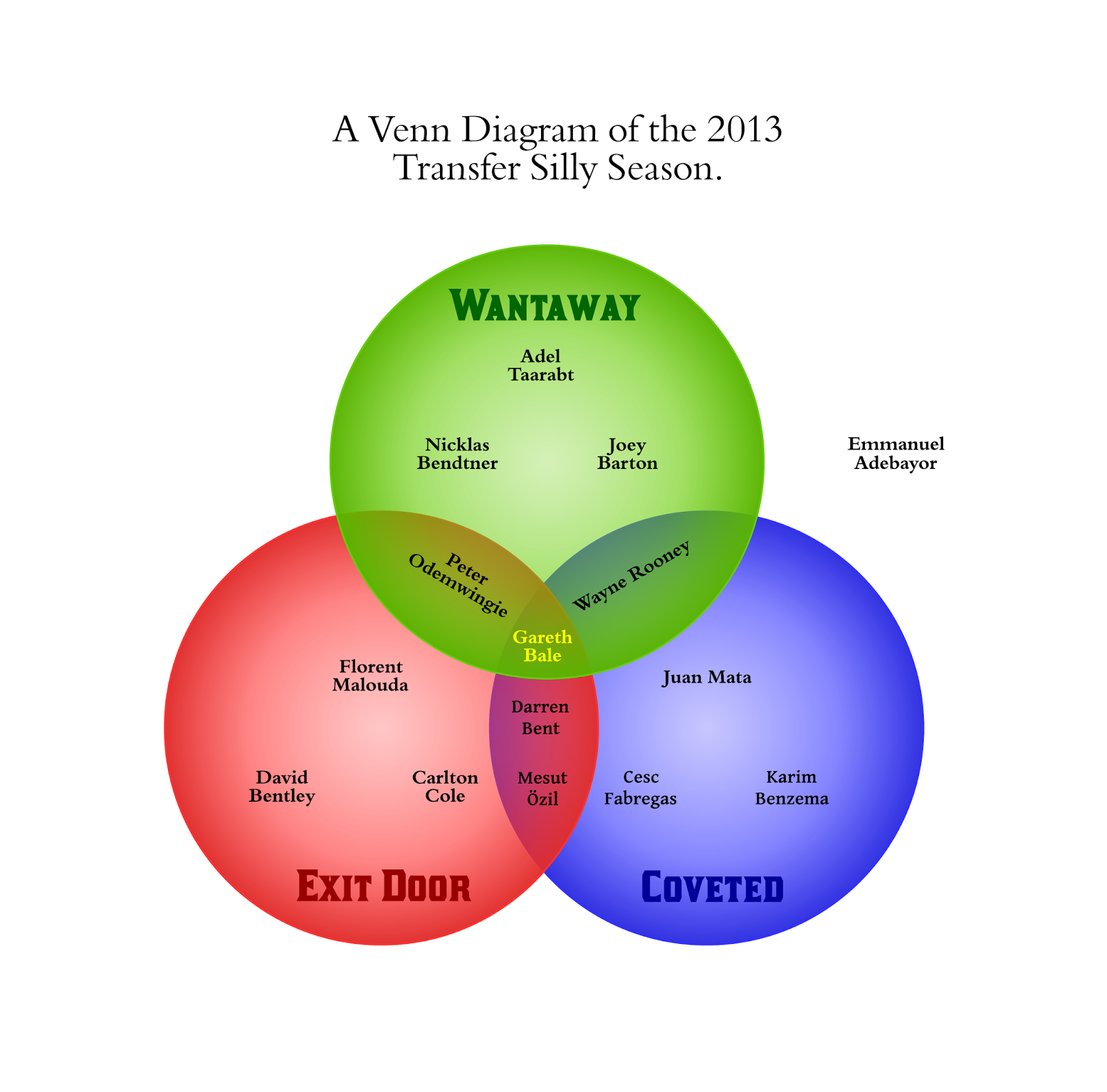
Football is fond of flogging a dead horse (often to the tune of Sloop John B), and less glamorous dubbings are to be found everywhere. Ipswich Town signed Veliče Šumulikoski in 2008, their fans appetite whetted by his billing as "the Macedonian Steven Gerrard", although a penchant for frequently overhit crossfield passes was never established. Gianluca Vialli is attributed, perhaps libellously, with hailing new winger Gabriele Ambrosetti as "the Italian Ryan Giggs" during his time at Chelsea. Nowadays, the act of dubbing/hailing has rather lost its value, so keen are we to unearth The Next Gareth Bale before the original one reaches his mid-twenties.
Elsewhere, more poetic dubbings can be found. In a rare act of dub-on-dub violence, the old Maradona was a notable victim of Andoni Goikoetxea, who earned himself the fearsome moniker of The Butcher of Bilbao. The similarly uncompromising and no-nonsense Miguel Ángel Nadal was dubbed the "Beast of Barcelona", which was perhaps a bit much. Even football matches, such as the infamous Battle of Santiago, are not safe from the dubbers.
Yours in cliché,
The Brian Glanville of Zone 3.
Subscribe to:
Posts (Atom)